




Available Options
Quick Facts – profiHOT Self-Regulating Heating Cable
- Brand: profiHOT
- Type: Self-regulating heating cable with plug
- Length: 1–10 m (select variant)
- Power: 10 W/m at 10°C
- Voltage: 230V
- Protection rating: IP68 (waterproof)
- Max cable temperature: 55°C
- Note: Without thermostat
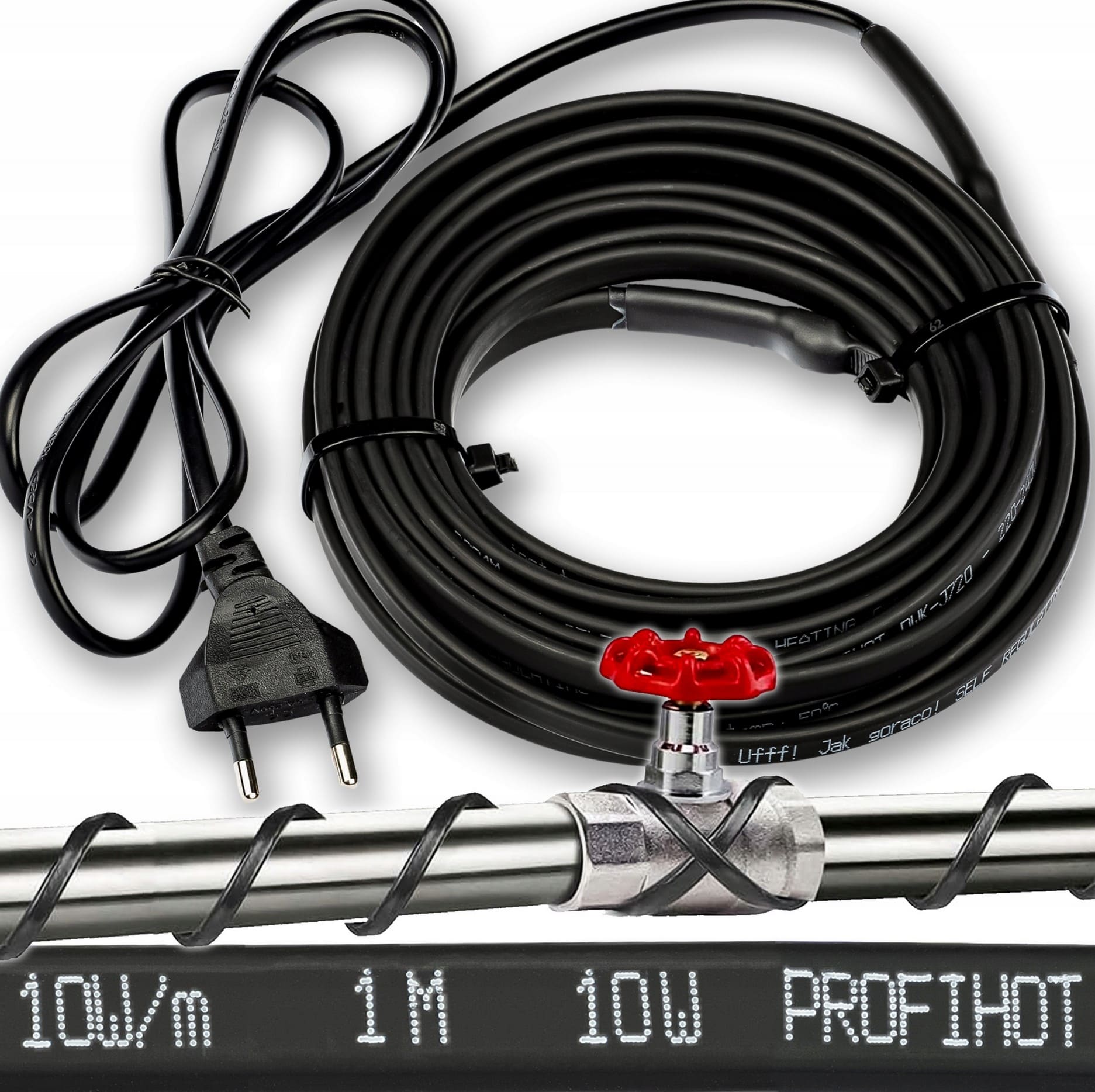
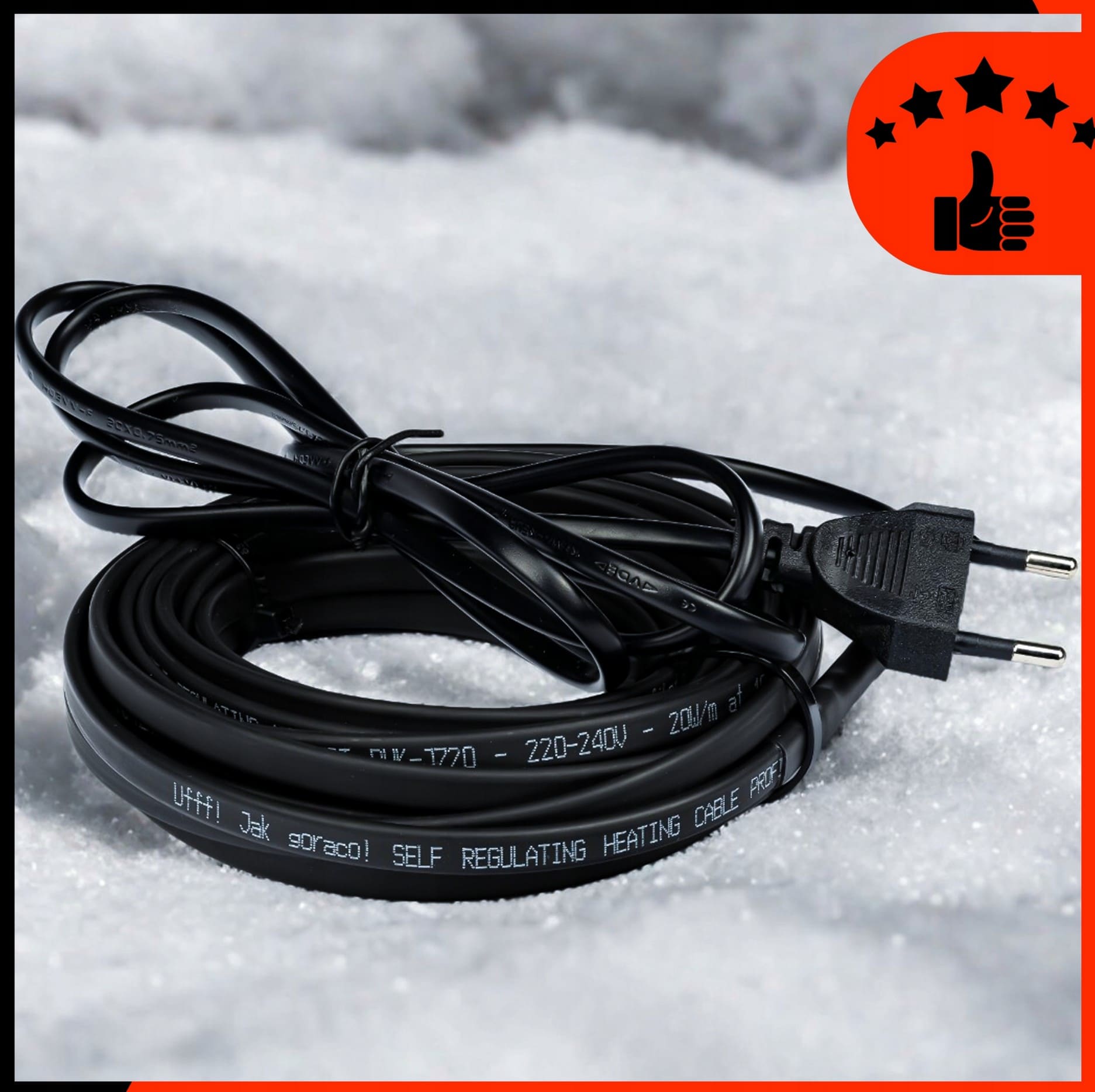
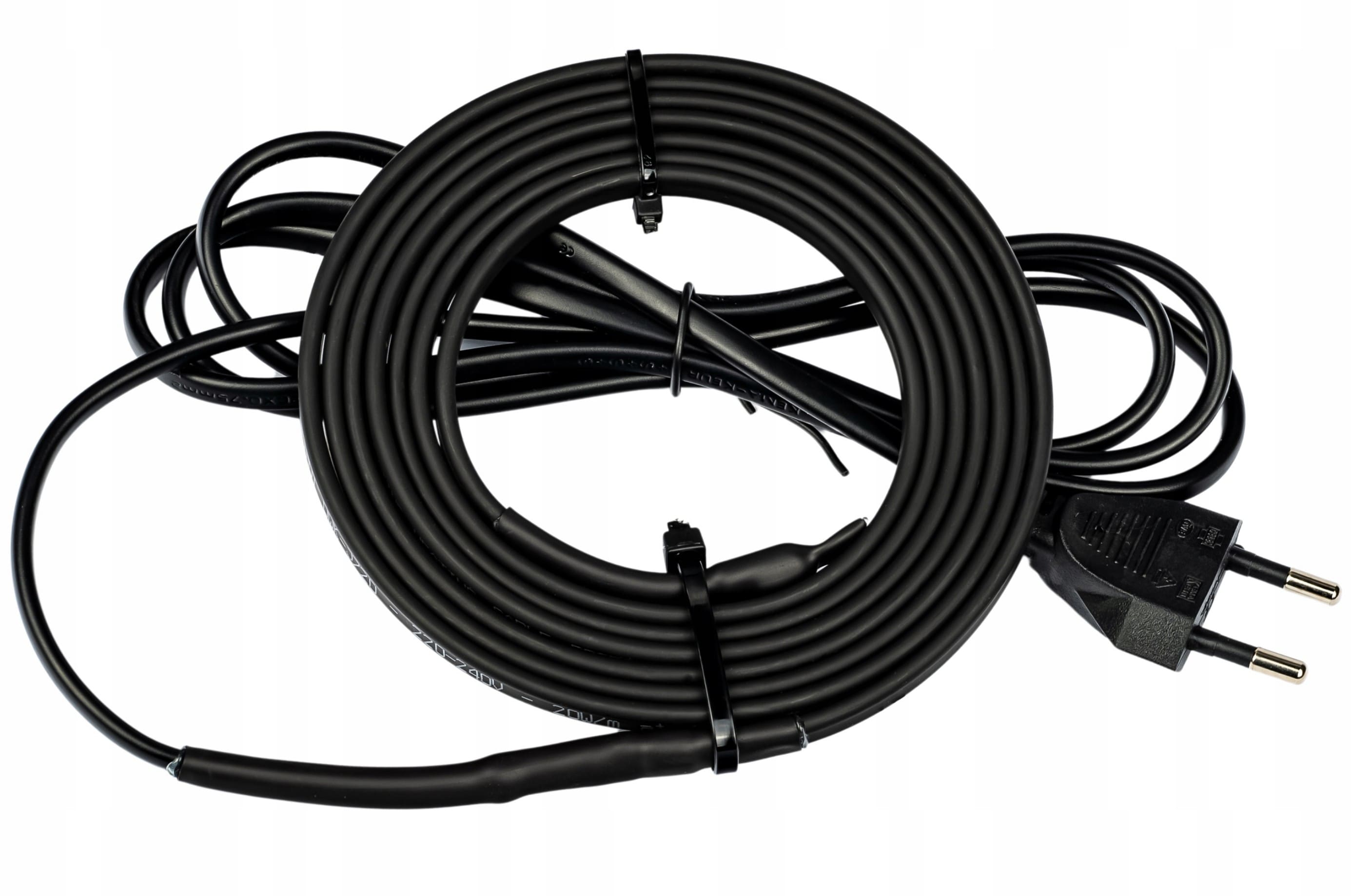
The profiHOT self-regulating heating cable is an intelligent solution for frost protection of pipes, gutters, roofs and much more. The cable comes ready with a 150 cm connection cable and plug – just connect it and it starts heating. The self-regulating technology means the cable automatically adjusts its output according to the ambient temperature and never overheats.
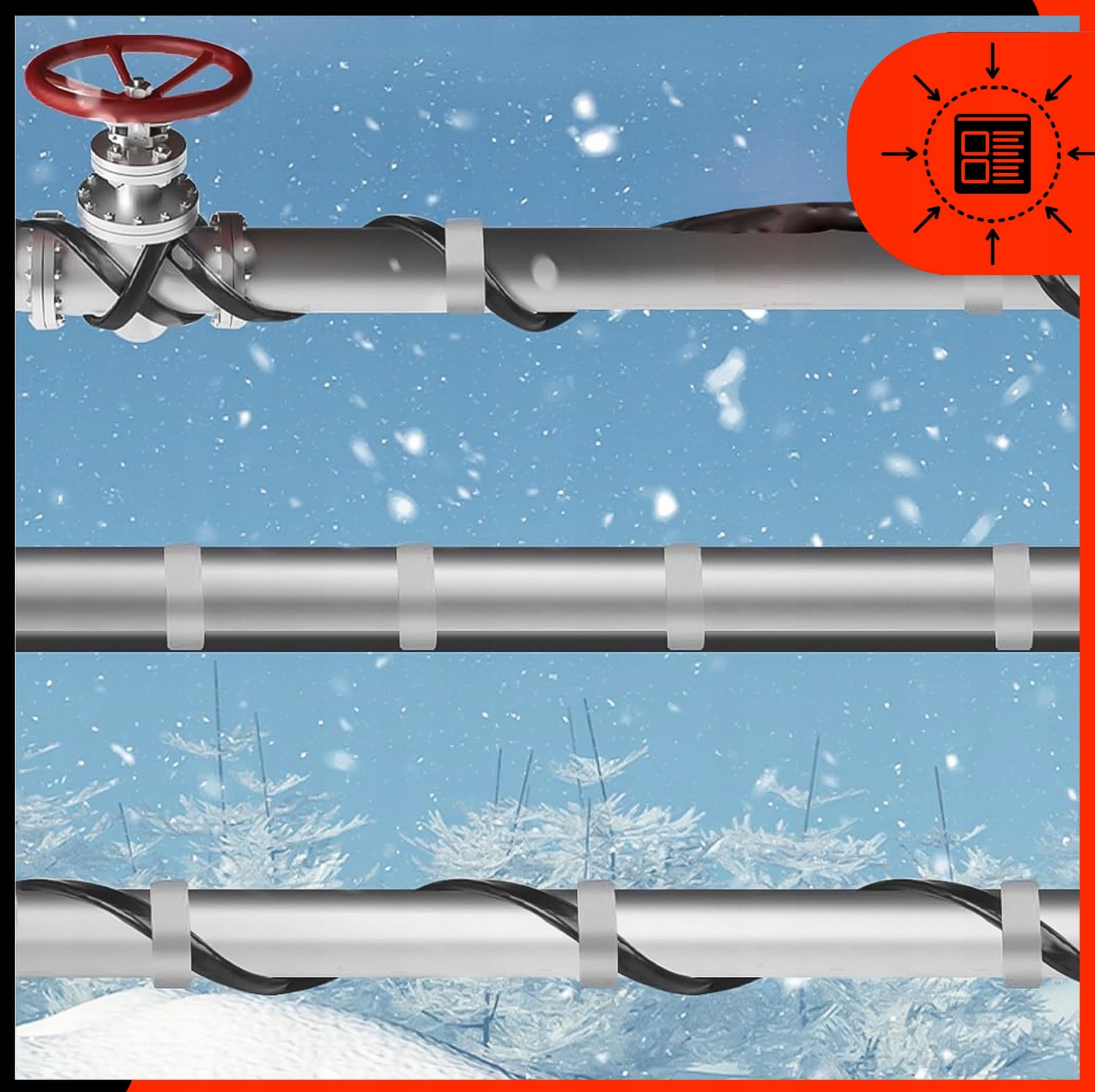
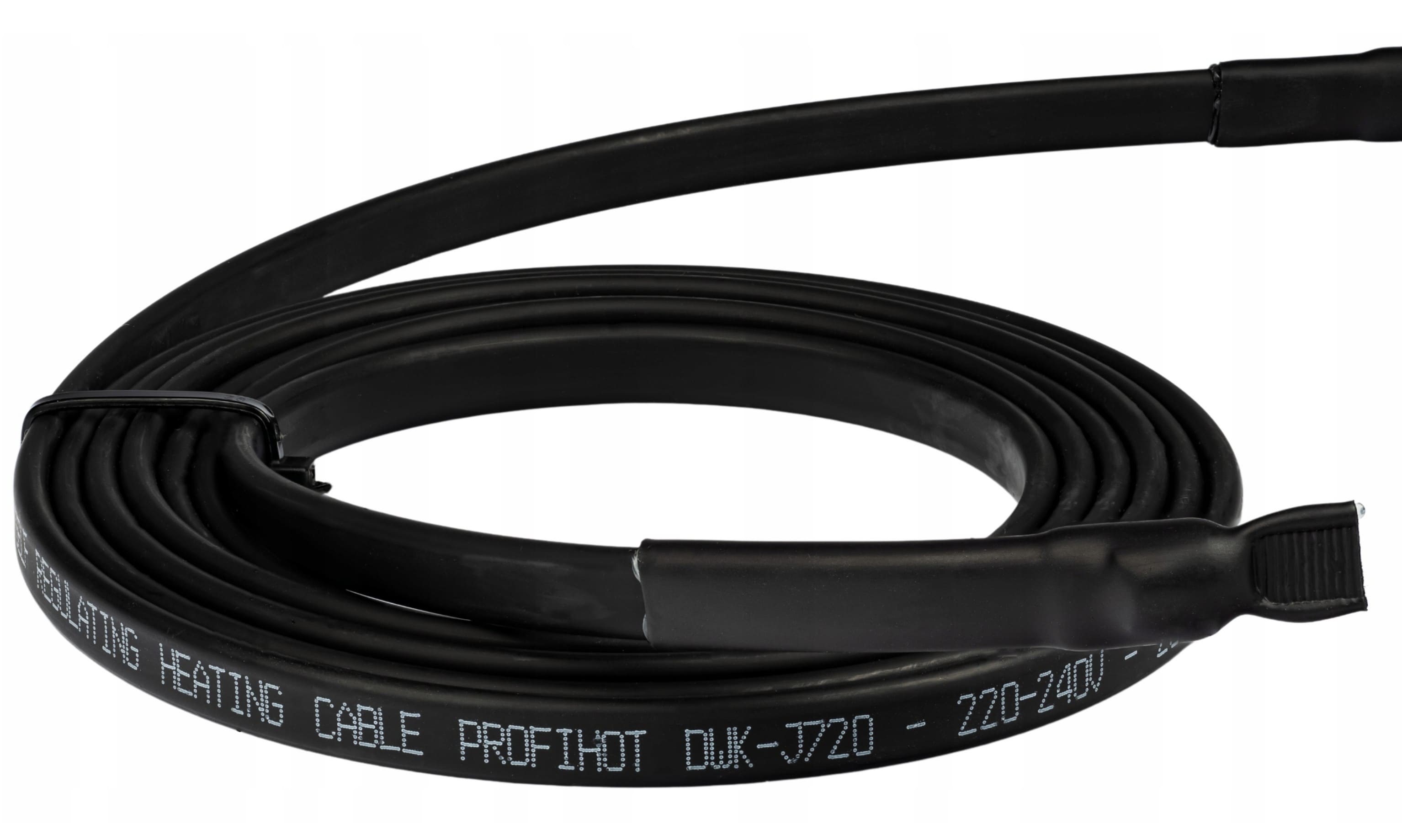
With protection rating IP68, the cable is fully waterproof and UV-resistant, making it suitable for permanent outdoor installation. The flat format (3 × 8 mm) and flexible material make it easy to lay the cable along pipes or wrap it around valves and meters. The cable can be shortened if needed – simply cut it to the desired length and seal the end.
Note: This product is supplied without a thermostat. For automatic switching on and off at specific temperatures, a separate thermostat is recommended.
Why choose profiHOT Self-Regulating Heating Cable?
Unlike traditional constant-resistance heating cables, self-regulating cables can overlap or cross each other without risk of overheating or fire. The cable automatically adjusts its heat output based on the ambient temperature – it heats more when it's cold and less when it's warm. This makes installation easier and safer, while keeping energy consumption down.
Applications
- Water pipes and air ducts (metal, plastic, PE, PEX)
- Gutters and downpipes – prevents ice formation
- Roofs – melts snow and ice at eaves and valleys
- Heat pumps and air conditioning units
- Valves, water meters and plumbing installations
- Garden hoses and outdoor taps
- Protection of plants and trees (e.g. palms)
- Driveways and walkways against ice
Installation instructions for pipes
- Unroll the cable. If it is stiff due to cold, connect it for a few minutes to soften.
- Lay the cable along the pipe and secure with tape every 30–60 cm.
- Wrap aluminium tape around the pipe and cable for better heat transfer.
- For extra protection and energy savings, insulate the pipe with mineral wool or rubber insulation.
- Protect the cable against mechanical damage.
Available lengths and power
- 1 m = 10 W
- 2 m = 20 W
- 3 m = 30 W
- 5 m = 50 W
- 6 m = 60 W
- 7 m = 70 W
- 10 m = 100 W
| Brand | profiHOT |
| Type | Self-regulating heating cable |
| Length | 1–10 m (select variant) |
| Power | 10 W/m at 10°C |
| Voltage | 230V |
| Starting current | 0.35 A/m at 10°C (approx. 70W, 2–3 sec) |
| Max cable temperature | 55°C |
| Protection rating | IP68 (waterproof) |
| Material | PE, UV-resistant |
| Cable dimension | Flat, 3 × 8 mm |
| Connection cable | 150 cm with plug |
| Cable end | Sealed |
| Can be shortened | Yes (seal end after cutting) |
| Thermostat | Not included – purchased separately |
| Suitable surfaces | Pipes, gutters, roofs, valves, plants |
Frequently Asked Questions about profiHOT Self-Regulating Heating Cable
Can the cable be used on plastic pipes?
Yes, the heating cable is suitable for both metal pipes and plastic pipes (PE, PEX, etc.). The maximum cable temperature of 55°C will not damage plastic materials. For best heat transfer on plastic pipes, it is recommended to wrap aluminium tape around the pipe before mounting the cable.
Do I need a thermostat?
The cable works without a thermostat and heats continuously when connected. The self-regulating function prevents overheating, but the cable does not switch off automatically at a certain temperature. To save energy and have the cable switch on/off at specific temperatures, a separate thermostat is recommended, available in our range.
Can I shorten the cable?
Yes, the heating cable can be cut to any length. After cutting, the end must be sealed to prevent moisture ingress. Use heat shrink tubing or special heating cable sealant.
Can the cable cross itself or overlap?
Yes, unlike constant-resistance cables, self-regulating cables can safely cross each other or overlap without risk of overheating. This greatly simplifies installation, especially at valves and complex pipe runs.