





















Blast cabinets with dust extraction for workshops and industry
Floor-standing steel blast cabinets from 220 to 450 litres, all supplied with dust extraction as standard, top loading on gas struts for heavy parts, a blast gun with four ceramic nozzles and replaceable protective film on the viewing window. Built for daily use in automotive workshops, wheel refurbishment, forges and machine shops – not for a weekend in the garage. Business customers order against invoice with their EU VAT number; everything ships on a pallet from our warehouse in Poland to anywhere in the EU.
Choose the size by the largest part you will blast
- 220 litres with extraction – engine parts, brake callipers, fittings and tools. Internal dimensions approx. 84 × 55 cm. The entry model for a workshop that wants to be rid of dust from day one.
- 350 litres with extraction – alloy wheels up to 18–19", cylinder heads, frame parts. The size most workshops end up with. Available with side or top loading.
- 450 litres with extraction, top loading – larger wheels, body panels, longer profiles and continuous operation.
Accessories and consumables
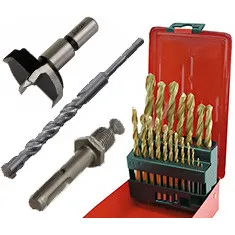
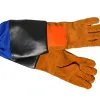
Ceramic nozzles in 4–7 mm, window protection film, gloves, blast guns and blasting media – glass beads for aluminium and finish, aluminium oxide for rust and paint, soda for delicate surfaces. Nozzles and window film are consumables; keep a couple in stock and the cabinet never stands idle.
Three things to check before you order
Your compressor. Cabinets in this size class consume 400–700 l/min (14–25 CFM) at 6–8 bar. Compare that with the compressor's delivered air volume (FAD), not the displacement figure on the label. A 3–4 kW piston compressor handles shorter sessions; for continuous operation a screw compressor is the right choice.
The dimensions. Start from the largest part you will blast and compare it with the cabinet's internal dimensions in the product description. An 18" wheel needs 350 litres.
The extraction. All our cabinets ship with a dust extractor, but if you run many hours in a row it pays to fit a cyclone separator ahead of it – it extends filter life considerably.
Frequently asked questions about blast cabinets
Will my compressor cope with a blast cabinet?
It depends on the nozzle and the compressor's delivered air volume. A 220–450 litre cabinet with a 5–6 mm nozzle needs 400–700 l/min. A single-phase hobby compressor usually delivers only 200–250 l/min and will manage short sessions with a 4 mm nozzle. For workshop use: at least a 3–4 kW piston compressor with a 200-litre receiver, preferably a screw compressor.
Which size of blast cabinet should I choose?
220 litres is enough for engine parts and smaller components. For wheels, cylinder heads or frame parts you need 350 litres or more. Top loading makes it much easier to lift in heavy parts.
Which blasting media should I use?
Glass beads give an even, satin finish on aluminium without removing material. Aluminium oxide cuts rust, paint and mill scale quickly. Soda is used for gentle cleaning of carburettors and soft metals where dimensions must not change. Silica sand must not be used in blast cabinets because of the health risk from crystalline silica dust.
What is the difference between siphon and pressure blasting?
Blast cabinets are siphon-fed: compressed air through the gun draws the media up from the hopper. It is simple, reliable and cheap to run. Pressure-pot systems cut faster but are mainly used for open blasting of large surfaces.
How do I keep visibility inside the cabinet?
Working dust extraction is the key – which is why it is included on all our cabinets. Replace the window film when it goes dull and add a cyclone separator for long sessions.
Which parts wear out?
Ceramic nozzles, window film, gloves and the gun insert are consumables. A worn nozzle increases air consumption and reduces cutting power, so replace it regularly. Spare parts are available in this category.
How are the cabinets delivered?
As pallet freight by DSV or an equivalent carrier, who will normally contact you before delivery. The cabinets arrive flat-packed with assembly instructions; allow a couple of hours for assembly and sealing.
Not sure which size suits your workshop or compressor? Contact us and we will help you choose.